Paul Szmal: Good morning, it's 8.15, it's Wednesday morning, FLX Morning, it's our monthly visit with Family Counseling Service of the Finger Lakes, fcsfl.org, Jessica DeFazio is here, good morning.
Jessica DeFazio: Good morning, thanks for having me.
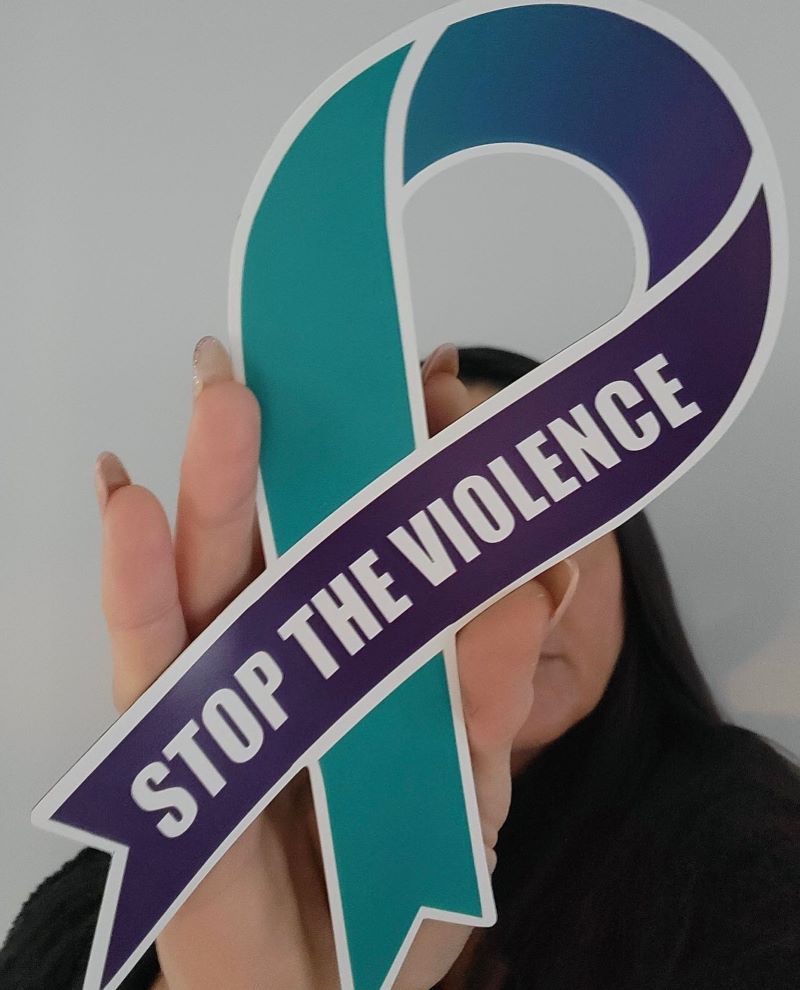
Paul Szmal: We're glad to have you here. I want to focus mostly on solutions and resources, but we have to talk a little bit about the scope of the problem, which is domestic violence, October is Domestic Violence Awareness Month, according to BreakTheCycle.org, more than 16 million people in the U.S. suffer from some form of intimate partner abuse each year. Every minute, 32 people experience intimate partner violence in the U.S., and nearly one of two women and more than two in five men report some form of intimate partner violence at some point in their lifetime.
Has anybody, is there any kind of study on why this happens, what's the stressor that pushes someone over the edge to commit an act like this?
Jessica DeFazio: Well, we know that it's all about power and control, and we know that that separates toxic relationships and unhealthy relationships from domestic violence, specifically. So it's all about power and control, the lack of feeling like they have power over the situation or the person, or lack of control over the situation, and will do anything possible to make sure that they first establish and maintain that power and control in the relationship.
I was just going to speak on the statistics. When I first started 15 years ago, the statistics for women were one in four and one in six in men. So even over a 15-year span, those have increased substantially. So we know that either the problem is being more seen and out in public, and people are getting linked to services, which allows us to really account for those experiencing that, or we really are seeing higher rates of domestic violence.
Paul Szmal: I ask you this question each time we do this conversation. Is the incidence of violence more or less or different in nontraditional relationships, whether it's lesbian, gay, trans?
Jessica DeFazio: Yeah, so we see different dynamics, and we know that the rates of domestic violence are actually highest in the trans community. Within that dynamic, domestic violence impacts people very differently. The goal is always power and control, but the tactics look different depending on the situation. So if we have a couple who also identifies as part of the LGBTQ community, we know that those dynamics include thrust out that person, thrust out to family and friends. They really capitalize on the vulnerabilities of that population to not have access to services, especially if they're in rural communities, not have an understanding about power dynamics and mislabel what's going on in that situation.
Paul Szmal: If you go to the website, fcsfl.org, right at the top of the page, you'll see family and individual services, scroll down to domestic violence victim services, and you can see some of these things that we're going to talk about. So let's talk about what you do for victims. You really, you hold their hand all the way and provide all the possible services you can to help them out.
Jessica DeFazio: We do. It's a lot of handholding, but that's really coupled with empowering victim to be able to make the choices that work best for them. So we do a safety planning and needs assessment immediately. So what are they experiencing specifically in their relationship that we need to be mindful of and safety plan around? That could be with children, that could be at home, that could be at their work. Are they being strangled? Are they being stalked? So we really, really dissect what's going on in the relationship so that we can properly safety plan around that and encourage the victim to make the choices about the relationship, whether they choose to stay or leave. That's left up to them. They're the experts in their situation. We walk them through all the necessary steps that they're wanting to take. And that may be going to law enforcement that may be getting a protection through family court. That might mean leaving the situation and finding safe spaces, either in county, out of county, out of state. We help with family court petitions. We offer court accompaniment. We're really there to provide rights, options, and resources and really link to other services that's going to best fit their need.
Paul Szmal: Those court services are so important. It's difficult enough to navigate this kind of thing. But when you're in that kind of a psychological situation where you've been abused and you don't know where to turn, it's all the more important to have somebody that says, okay, this is what you do next, and this is when we go to court, and this is what happens after that, for some peace of mind.
Jessica DeFazio: It really is helpful when an advocate is able to stop the crisis. So we oftentimes have victims come to us in crisis and really have a lot of misinformation, oftentimes from the perpetrator, for obvious reasons, but sometimes from systems and service providers who don't tend to understand the nuances of domestic violence. And there's a lot of victim blaming that happens. So we already have a victim who is second-guessing their choices, second-guessing what they're getting themselves into, is very scared and heightened, and the advocate is there to make sure that the crisis is de-escalated. So we really fact-check some of that stuff. We walk them through the process. A lot of it is pre-planning and discussion around what to expect so that they know walking in what potentially could happen, what may happen, what may not happen, and then how do we navigate around what either does or doesn't happen so that we have a plan the next time.
Paul Szmal: How do you get the message through to the victim that this is not your fault and the perpetrator will tell you all these things? How do you make sure that person understands you are not at fault here?
Jessica DeFazio: We do a lot of domestic violence education, so we talk about the different personas that perpetrators assume, that public and private persona. We do a lot of education around how they present to the victim and their families behind closed doors versus how they present in public. We get them to challenge their perceptions. We get them to challenge things that they've been told. We get them to challenge scenarios. We do a lot of information about red flags, gaslighting, manipulation tactics in the beginning of the relationship so that they can start putting pieces together for themselves around all of these little things that have occurred that have led them to the state that they're in now. So a lot of it is fact-checking, education, links to therapy is critical and very important. Really getting them to dissect their relationship and challenge beliefs that they have about either themselves or their relationship in general.
Paul Szmal: You offer the victim a number of different ways to start the process. One is the 24-7 crisis hotline staffed by human advocates all the time, 1-800-695-0390, 1-800-695-0390. During business hours, there's a chat function from the website fcsfl.org or walk into your office locations.
Jessica DeFazio: Yeah, so we know that some victims don't have transportation. They also might be stuck at home with their perpetrator. We started the chat line during COVID because we knew that victims may not have the chance to leave the home. They may not have the ability to get on their phones and talk about what's happening in front of their perpetrator. So we offer various ways to get linked to services, and that's every minute of every day. There's an advocate on staff on that hotline to answer those calls.
Paul Szmal: And people should also know you have Spanish-speaking advocates, so you offer services in Espanol as well.
Jessica DeFazio: We do. We have two advocates available. One is stationed at DSS to help with petitions there and help with access to services through DSS with temporary assistance and benefits there. It also gets pulled into a lot of domestic violence situations when they're screening for benefits and screening for services like waivers to help navigate spousal support and child support and things like that. So we have Spanish-based advocates who are in both locations.
Paul Szmal: Let's talk about the DVAP, the Domestic Violence Accountability Program, for men who are perpetrators.
Jessica DeFazio: We are so excited about this programming. So we started our Domestic Violence Accountability Program back in 2010. New York State is one of the last states that actually has standards for what's traditionally known as batterer intervention programming. There's also not been any evidence-based programming for domestic violence perpetrators ever until now, until this model. So it's a strength-at-home model. We've been trained by Dr. Casey Taft himself last year. This model is really coming from a trauma-informed lens and getting this perpetrator to understand why they've been perpetrating violence against their partners and children, what might have led to that, getting them to challenge why this is benefiting them, walking them through that stages-of-change model, doing some motivational interviewing, and getting them to challenge that belief system that they need to have power and control over their partners.
So in the studies that Dr. Taft has conducted with the veteran population, he's evidencing a 66% reduction in physical and psychological aggression and substance use after six months post-follow-up to the group. So the groups are 12 weeks long, and then he stays engaged after that to continue to do surveys with both victim and perpetrator around what is reduced, what's gotten better. So we've had a really good partnership with him. We are one of two agencies in the Finger Lakes who are using this model. This has not really gone widespread at this point. It's very new, but we're really excited about the results. We've had nothing like this in the past.
Paul Szmal: That's amazing. I mean, aren't there many programs like this that have been around long enough to have a record of performance, 66% reduction in physical and psychological aggression? Again, if you go to the website, fcsfl.org, and you'll hover over Family and Individual Services, go down and click Domestic Violence Victim Services, you'll see all those things we've talked about. Jessica, thank you. I enjoy, I don't know if that's the right word, I'm grateful to be able to have this conversation each year in October, and you're saving lives with this program. Congratulations, and thanks for sharing it with us.
Jessica DeFazio: Thank you. We love being here.